What to do about foaming in papermaking white water? How to choose the papermaking defoamer?
Frequent foaming in white water circulation systems? How to choose defoaming agents for papermaking? White water circulation systems are a key component for water conservation and emission reduction in papermaking enterprises. As the degree of closed-loop circulation of white water increases, dissolved organic matter, inorganic salts, and chemical additives in the water continue to accumulate, making foaming a common operational problem encountered in production lines, directly affecting the stability of paper machines and the compliance of downstream wastewater with standards.
Where does the foam come from?
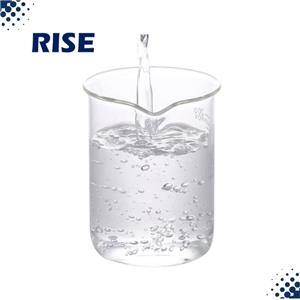
The foam in papermaking white water mainly comes from two sources. First, it comes from additives such as retention aids, filter aids, wet strength agents, and sizing agents added during pulping and papermaking. These substances have surface activity and easily generate bubbles in a closed loop. Second, the fine fibers and filler particles in the pulp provide adsorption carriers for the bubbles, allowing them to stably adhere to the fiber surface or remain suspended in the water. When the gas volume percentage in the pulp reaches 0.5% to 1.0%, active intervention is required.
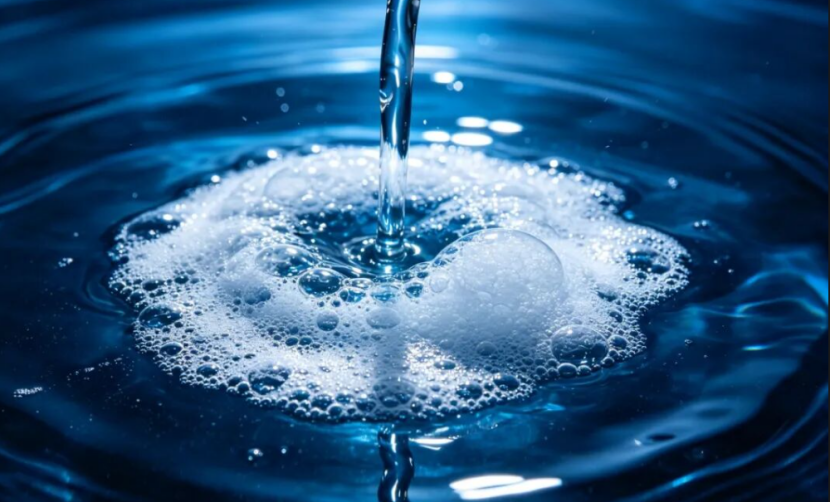
The cascading effects of untreated foam
Surface foam overflow will pollute the workshop environment and increase inspection risks. Microbubbles within the pulp will lead to decreased paper uniformity, increased pinholes and paper breaks, and fluctuations in white water level and pump frequency. In the downstream wastewater treatment section, foam will also interfere with aeration and sedimentation, affecting the stability of the biological system and effluent indicators.
Four Dimensions for Selecting Papermaking Defoamer
Common papermaking defoamer used in white water systems include silicone-based, polyether-based, fatty alcohol-based, and composite defoamers. Selection should focus on four aspects:
1. Defoaming Speed: Can the papermaking defoamer quickly break down surface bubbles and microbubbles within the pulp?
2. Foam Suppression Durability: Can the papermaking defoamer continuously inhibit foam regeneration under closed-loop conditions?
3. Process Compatibility: Does the papermaking defoamer have any negative impact on sizing, paper quality, and the biochemical system?
4. Overall Economic Efficiency: The unit cost and long-term operating cost of the papermaking defoamer.
Silicone-based papermaking defoamer defoam quickly but require larger quantities. Polyether-based papermaking defoamer is significantly affected by temperature. Fatty alcohol-based papermaking defoamers have good degassing effects and minimal impact on sizing. Composite papermaking defoamer, through multi-component formulation, cater to different operating conditions. Specific selection requires a comprehensive assessment considering white water temperature, pH value, fiber type, and additive system.
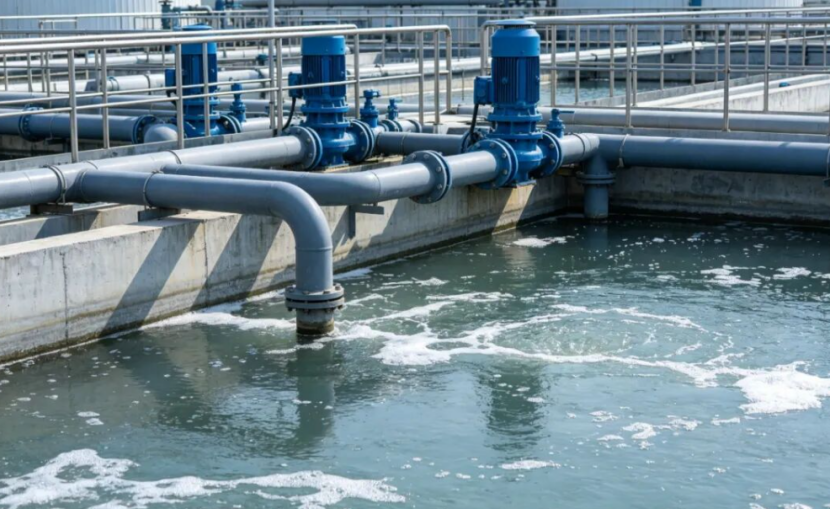
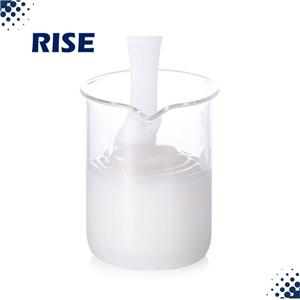
RISE CHEMICAL has long focused on defoamer research and development, offering a compound solution of fatty alcohols and polyether-modified silicones for white water circulation systems, which are characterized by high closed-loop systems, complex compositions, and large temperature fluctuations. This papermaking defoamer disperses rapidly, quickly penetrating microbubbles between fibers; it has a long foam suppression time, adapting to multiple cycles without degradation; it has minimal impact on sizing and retention systems, and is less prone to silicone spots and oil shrinkage; its temperature and electrolyte resistance are stable, performing consistently under different water quality conditions. We recommend that partners conduct comparative tests based on actual operating conditions to determine the appropriate model and addition point.
Please feel free to contact us anytime for free test samples!