Why an Oilfield Defoamer is Critical for Efficient Production
In the high-stakes environment of oil and gas extraction, efficiency isn't just a goal—it's a requirement for profitability. From the moment drilling begins to the final stages of refining, operators face a persistent and costly adversary: foam. While it might look harmless, uncontrolled foam can disrupt fluid dynamics, compromise safety, and significantly drive up operational costs. This is why the strategic use of an oilfield defoamer is standard practice in modern petroleum engineering.
Foam in oil operations is rarely accidental; it is often a byproduct of the very processes used to extract energy. In drilling, mud is circulated to cool the drill bit and carry rock cuttings to the surface. However, as this mud encounters natural gas pockets and is agitated by high-speed mixing, stable foam forms. Similarly, in production and refining, the presence of naturally occurring surfactants and the intense turbulence of fluids moving through separators and distillation towers create perfect conditions for foam.
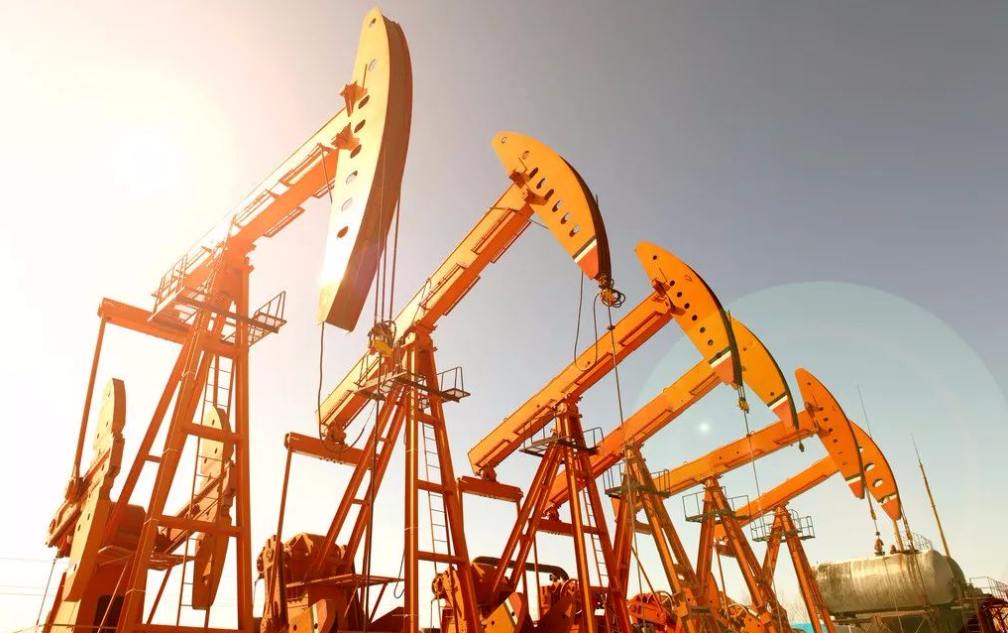
Ignoring foam can lead to severe operational bottlenecks. In drilling operations, excessive foam reduces the density of the drilling mud. This is dangerous because a lighter mud column may fail to suppress formation pressure, increasing the risk of a blowout. Furthermore, foam takes up valuable space in tanks and separators, reducing the effective throughput of the facility. In refining, foam can cause "fog carryover" in distillation columns, leading to product contamination and forcing a reduction in processing speed to maintain quality.
The Role of an Oilfield Defoamer
An oilfield defoamer is engineered to combat these specific challenges. Unlike generic antifoams, a specialized oilfield defoamer must be robust enough to withstand extreme temperatures, high pressures, and harsh chemical environments, including highly saline or acidic conditions.
Ignoring foam can lead to severe operational bottlenecks. In drilling operations, excessive foam reduces the density of the drilling mud. This is dangerous because a lighter mud column may fail to suppress formation pressure, increasing the risk of a blowout. Furthermore, foam takes up valuable space in tanks and separators, reducing the effective throughput of the facility. In refining, foam can cause "fog carryover" in distillation columns, leading to product contamination and forcing a reduction in processing speed to maintain quality.
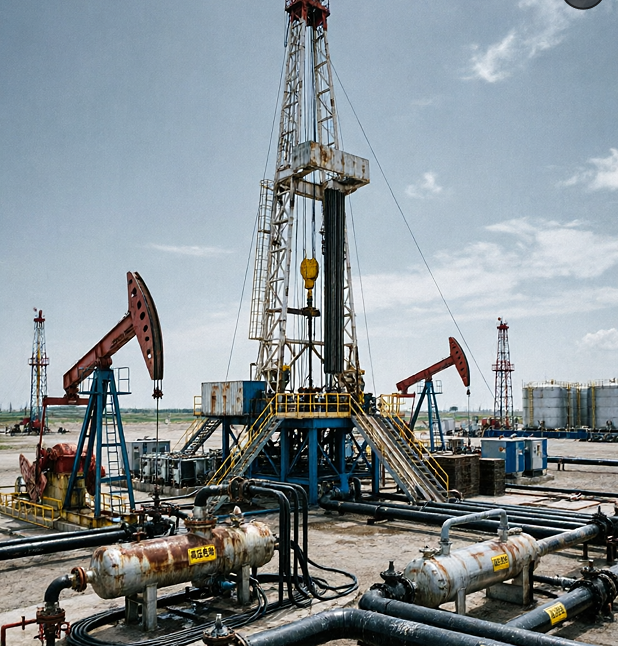
In an industry where downtime costs thousands of dollars per hour, foam control is a necessity, not a luxury. A reliable oilfield defoamer ensures that operations run safely and at peak capacity, protecting both the equipment and the bottom line.
At RISE CHEMICAL, we have spent over two decades formulating chemical solutions for heavy industry. Our advanced oilfield defoamer line is designed to perform in the toughest conditions, from deep-water drilling to high-temperature refining. We invite you to verify our performance with free samples tailored to your specific field conditions. Contact our engineering team today to optimize your production.