The Critical Role of Defoamers in Papermaking
In the high-speed, water-intensive world of modern papermaking, efficiency is everything. Yet, a seemingly harmless phenomenon—foam—can bring production lines to a halt and ruin product quality. This is where a specialized papermaking defoamer becomes not just an additive, but a necessity.
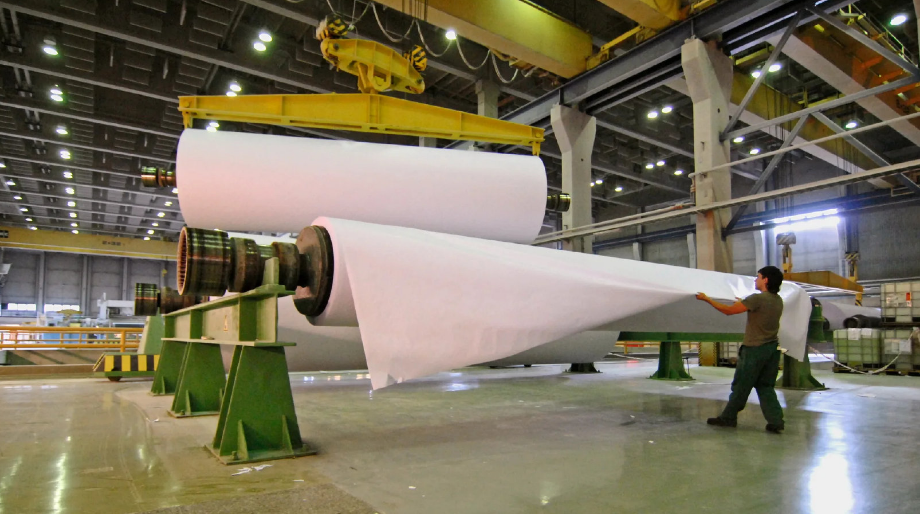
Where Does the Foam Come From?
Paper pulp is a complex mixture of water, fibers, and various chemical additives like sizing agents, retention aids, and coatings. Many of these chemicals are surfactants, meaning they reduce surface tension. When this mixture is agitated at high speeds through pumps, screens, and headboxes, air gets trapped, creating stable foam bubbles.
The Hidden Costs of Uncontrolled Foam
Product Defects: Foam bubbles trapped in the paper sheet create holes, spots, or uneven coating, leading to rejected batches.
Machine Downtime: Overflowing foam can spill onto machine floors, creating safety hazards and forcing production stops for cleanup.
Reduced Efficiency: Foam takes up valuable volume in tanks and chests, effectively reducing the capacity of the pulping system and slowing down drainage on the wire section.
Environmental Impact: Excessive foam often leads to increased wastewater treatment costs and potential discharge violations.
How a Papermaking Defoamer Works
Work in Complex Chemistries: Remain effective despite the presence of fillers, dyes, and sizing agents.
Ensure Compatibility: Not cause spots or fish-eyes on the final paper surface.
Last Longer: Provide sustained control throughout the recycling loop, especially in systems using recovered paper which tends to generate more foam.
In an industry where margins are tight and quality standards are rigorous, controlling foam is non-negotiable. Investing in the right papermaking defoamer ensures smoother operations, higher product quality, and significant cost savings.