How to choose between silicone defoamers and polyether defoamers Resolve your concerns
Firstly, we need to distinguish between two words: DEFOAMER AND ANTIFOAM
Defoamer: Defoamer can quickly break the generated foam.
Antifoam: inhibit the formation of new foam and prevent the system from foaming continuously.
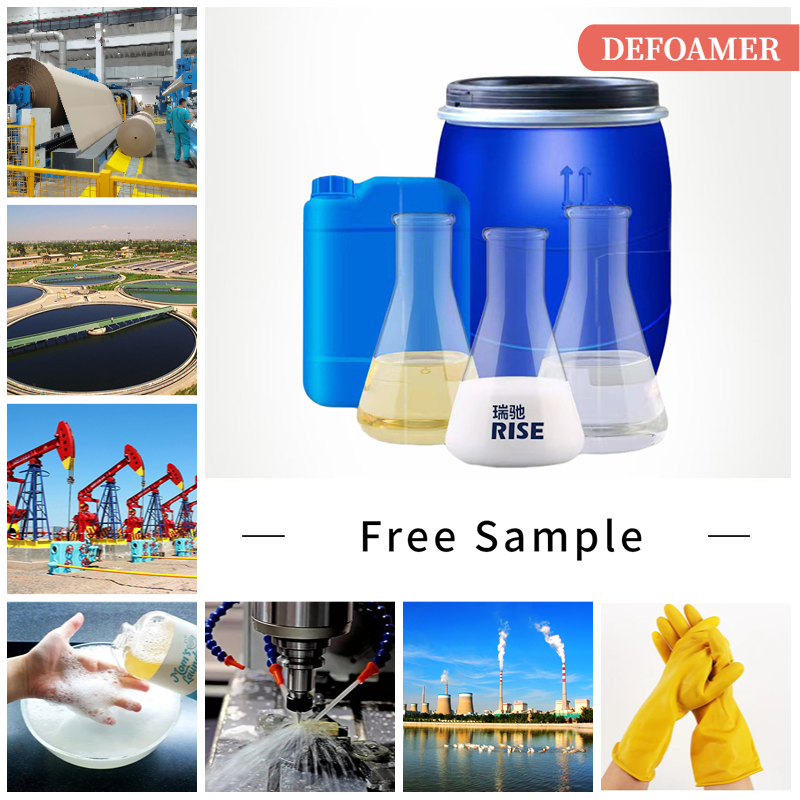
Different defoamers have different effects. The paper mill is afraid that foaming will damage the quality of paper, the sewage treatment should be defoaming for a long time, and the oil field oil production is afraid that foam will affect the efficiency. What is the cost of choosing the wrong industry in your field? The choice between silicone defoamers and polyether defoamers is not about which one is better, but rather about your industry determining the direction of your choice.
SILICONE DEFOAMER
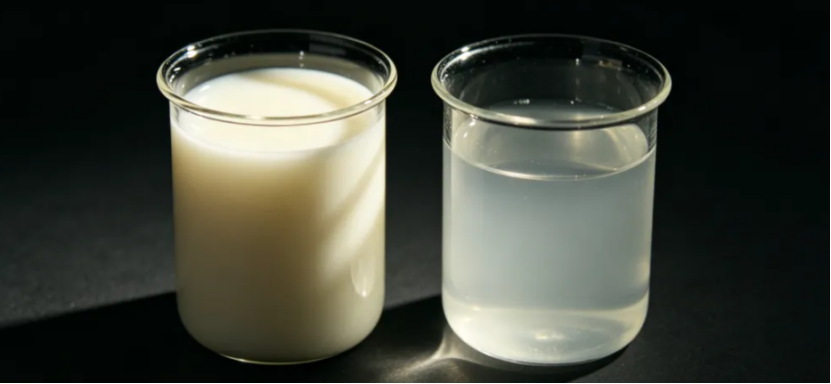
Silicon defoamers are the most common category in the current market. The surface tension of silicone defoamer is extremely low, and it can spread and penetrate rapidly on the foam liquid membrane, causing the bubble to burst rapidly. And the usage is very small, as long as one millionth (1ppm) of the weight of the foaming medium is added, it can produce defoaming effect.
| ADVANTAGE | DISADVANTAGES |
|
|
POLYETHER DEFOAMER
Polyether defoamers and organosilicon have distinct personalities. Polyether defoamers have stable performance and good compatibility in various aqueous and even non-aqueous media. Unlike silicone defoamers, polyether defoamers have relatively weaker defoaming ability, but their anti foaming ability is strong. When the system temperature rises to a certain cloud point, polyether defoamer molecules will precipitate particles and destroy the generated bubbles.
| ADVANTAGE | DISADVANTAGES |
|
|
RISE CHEMICAL has been focusing on the research and development, production, and sales of defoamers since 2004. Our products are widely used in various industries such as water treatment, papermaking, petroleum, steel rolling, fermentation, cement concrete, cleaning, etc. Please feel free to CONTACT US to provide your industry characteristics and process parameters. RISE CHEMICAL's professional team will recommend the most suitable defoamer products for you and provide FREE SAMPLE trials.