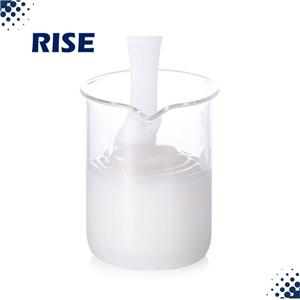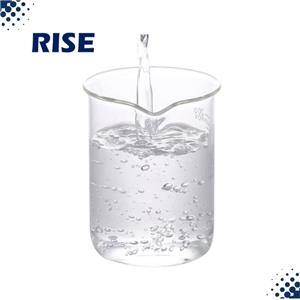
Desulfurization slurry defoamer - effectively ensures the normal operation of the desulfurization system
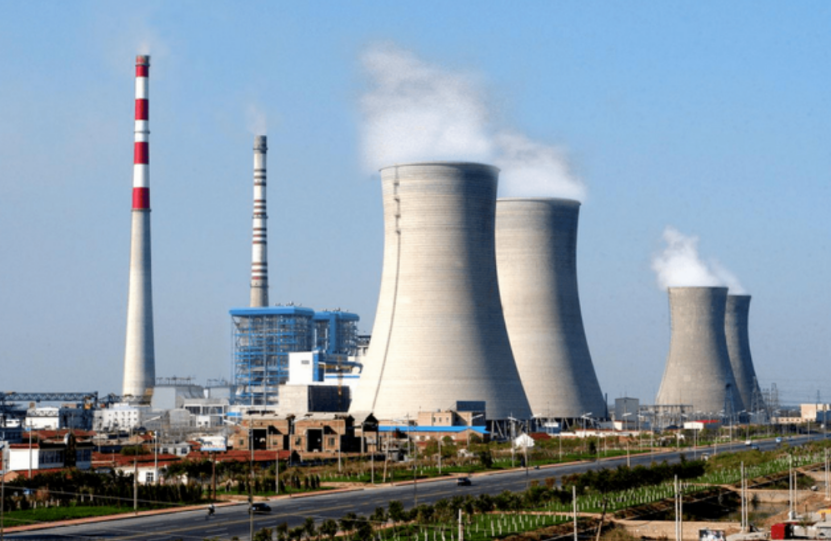
After dust removal, the flue gas from the boiler or kiln enters the absorption tower under the action of the induced draft fan. The absorption tower is a counter-current spray empty tower structure, integrating absorption and oxidation functions. The upper part is the absorption zone, and the lower part is the oxidation zone. The flue gas after dust removal comes into counter-current contact with the circulating slurry in the absorption tower, which leads to the formation of foam. Although the entry of air causes the formation of foam, the stability of these foams is generally quite poor. However, due to the large amount of active ingredients in the circulating slurry, these ingredients cause the foam to have very high stability and self-recovery ability, and a foam layer will appear as the foam accumulates.
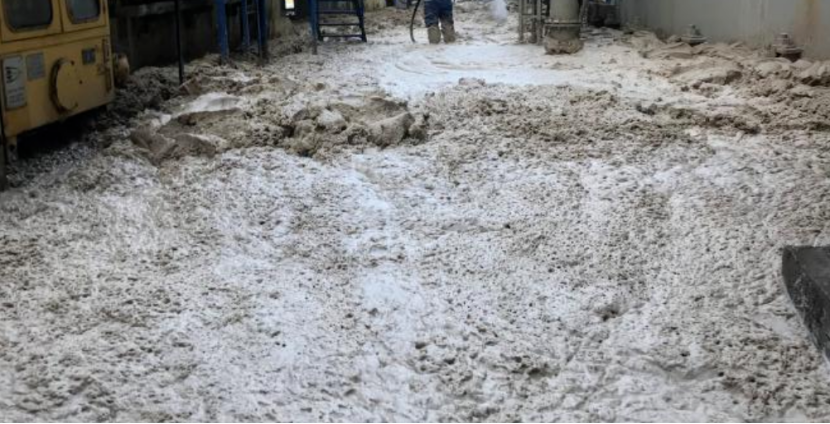
Deoxidation: Air enters the liquid phase and forms bubbles on the liquid surface. When the slurry viscosity is high, the viscous force greatly hinders the flow of liquid in the liquid film, and the foam is relatively stable, forming a foam layer.
As the desulfurization slurry circulates, the slurry continuously absorbs impurities such as surfactants, dust, heavy metal ions, and oil droplets from the flue gas, increasing the surface tension difference between the surface and the inner solution. When foam appears in the absorption tower, it can easily cause false liquid levels, affecting the judgment of desulfurization operators and leading to the desulfurization rate failing to meet the standard.
The limestone used for desulfurization in steel plants undergoes some chemical reactions with sulfate ions, resulting in foam. This explains why so much foam appears in the desulfurization process of steel plants.
The appearance of foam needs to be addressed promptly, otherwise it can easily cause many problems for the desulfurization process in steel plants, such as causing artificially high internal liquid levels, ash accumulation at the inlet of the absorption tower, and the limestone failing to achieve its original desulfurization effect. Therefore, we need to add an appropriate amount of steel plant desulfurization defoamer. It has strong defoaming and foam-suppressing capabilities, effectively and promptly removing all kinds of stubborn foam. In addition, the steel plant desulfurization defoamer is also highly adaptable, resistant to acids, alkalis, and electrolytes, and maintains a stable defoaming effect even in hard water, without affecting the normal operation of the desulfurization system.
Desulfurization slurry defoamer: This defoamer has strong defoaming and foam-suppressing capabilities, effectively and promptly removing all kinds of stubborn foam in desulfurization. Furthermore, this desulfurization slurry defoamer is also highly adaptable to foam in steel plant desulfurization, resistant to acids, alkalis, and electrolytes, and maintains a stable defoaming effect even in hard water, without affecting the normal operation of the desulfurization system.
Desulfurization slurry defoamer can be added either diluted or undiluted. To ensure accurate dilution, diluted addition is generally preferred. Dilute the Desulfurization slurry defoamer 5-10 times with foaming liquid or tap water before adding it to the solution. It is recommended that the diluted solution be used within 6 hours.
Dosage calculation: The general dosage of desulfurization slurry defoamer is 1-5%. Under normal operating conditions, based on the slurry volume, the first addition should be a single, impact-style addition, followed by single additions every 24 hours. However, the actual dosage depends on the composition of the foaming liquid, the flue gas volume, the coal composition and combustion conditions, the absorbent, and the dioxide content. The user can determine the final dosage based on the actual situation.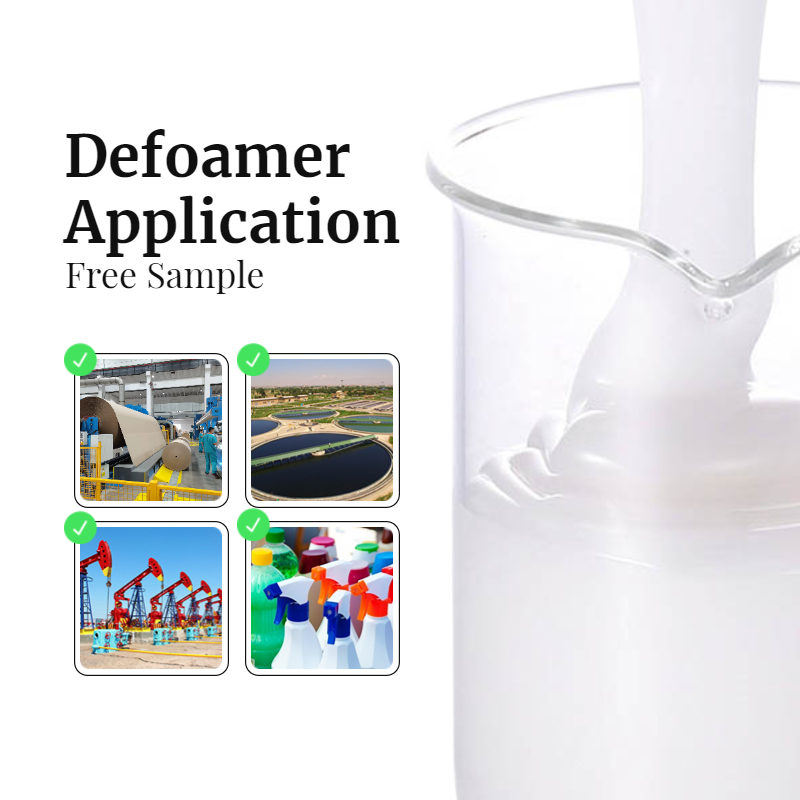 Given the complex variables in steel plant desulfurization processes, selecting the right defoamer and determining the optimal dosage are critical to maintaining system efficiency. With over 20 years of specialized experience, RISE CHEMICAL is fully equipped to help you tackle these challenges. We invite you to reach out to us anytime for a customized defoaming solution tailored to your specific operating conditions.
Contact RISE CHEMICAL today, and let our proven expertise keep your operations running smoothly and efficiently!