Defoamer - Foam Control in Bioreactors
As global demand for biological crop protection products continues to grow, biotechnological fermentation has emerged as the core technology for producing a wide range of biological products. These include live microorganisms, bacteriophages, enzymes, peptides, double-stranded RNA (dsRNA), and secondary metabolites. Fermentation-based production platforms are advancing the future of sustainable agriculture.
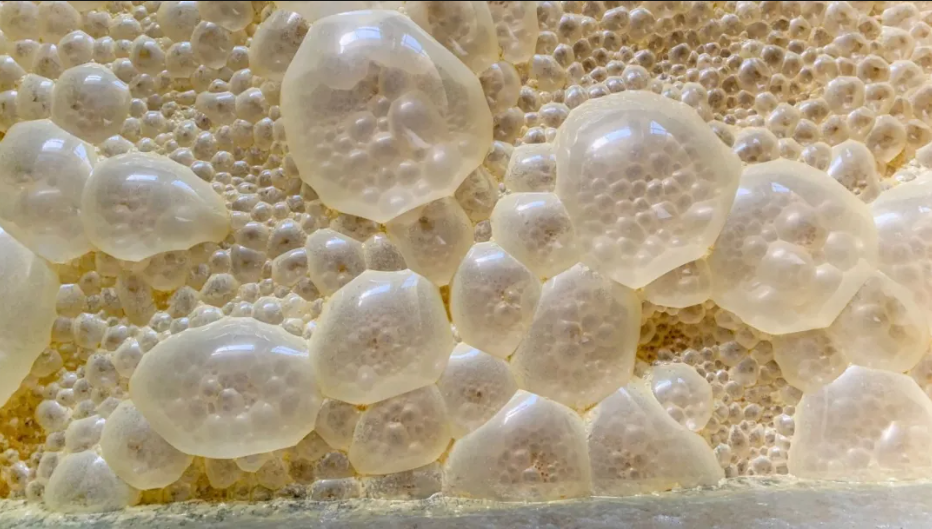
However, a frequently overlooked yet critical factor in these processes is foam generation, and more importantly, how to control it. Excessive foam can disrupt fermentation efficiency, jeopardize product yield, and compromise final product quality. Therefore, the use of well-designed defoamers is essential for controlling foam and ensuring stable, efficient fermentation processes.
How is foam formed in biological fermentation? Why does foam form?
In the field of bioproducts, aerobic fermentation is the most common process and is particularly prone to foaming. Foam forms when gas (typically air or oxygen) enters the fermentation broth via aeration and agitation, or when gases produced by microbial metabolism (such as carbon dioxide) become trapped in the liquid in the presence of surface-active compounds. These surface-active compounds may be inherent to the medium (e.g., impurities in molasses, proteins) or secreted by microorganisms (e.g., polysaccharides, lipopeptides).
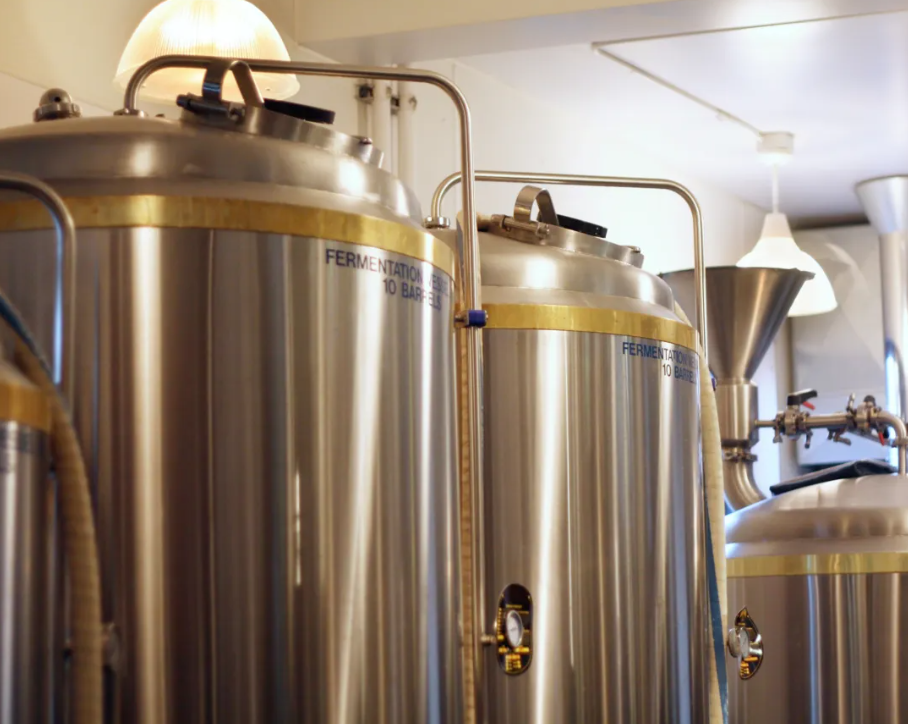
The Role and Benefits of Defoamers in Fermentation Processes
Excessive foam can cause overflow, disrupt fermentation efficiency, and adversely affect yield, sterility, and downstream operations. To address these challenges, defoamers—whether emulsions or 100% active ingredient products—play an indispensable role in maintaining the stability and reliability of the fermentation process.
1. By suppressing excessive foam formation, defoamers help maximize equipment capacity, enabling fermentation tanks to operate at optimal volume conditions.
2. Simultaneously, defoamers reduce downtime caused by foaming issues, thereby enhancing processing efficiency.
3. Defomers lower operational costs by reducing cleaning requirements and significantly minimize product loss throughout the fermentation process.
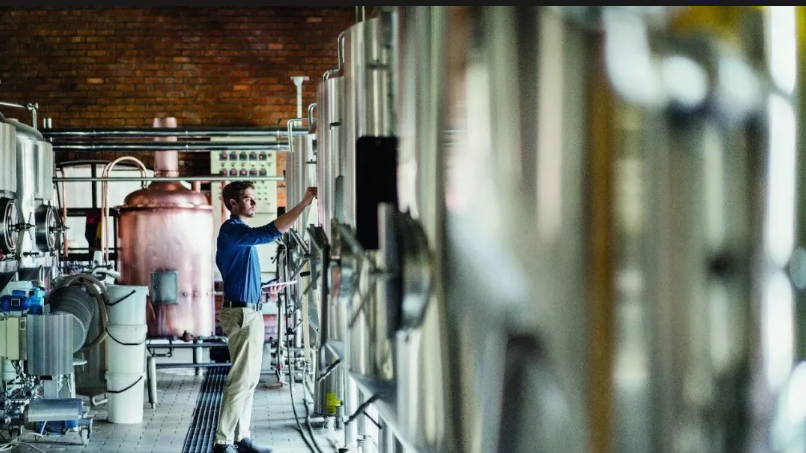
Defoamers are typically applied at critical stages of the process, including mixing, fermentation, separation, filtration, and even filling. Effective foam control is essential for achieving high-quality, scalable production of biotechnological solutions.
As the agricultural sector advances toward greener, more precise solutions, the importance of biological fermentation will continue to grow. However, process stability remains paramount, and foaming issues represent one of the greatest threats to efficiency, quality, and cost. RISE CHEMICAL's premium defoaming solutions significantly enhance fermentation outcomes, reduce operational challenges, and enable stable, scalable production of the biological products growers require.
Contact us for more information and to get a free sample!