How to select the right pulp defoamer RISE provides a detailed introduction.
In industrialized paper production, foam is an invisible problem that permeates the entire process from pulping, washing, papermaking, and white water recycling. Many paper mills commonly experience production problems such as: slow paper machine speed, numerous pinholes and air bubbles on the paper surface, poor wet-end dewatering, large white water overflow losses, substandard finished product strength, and frequent coating pinhole defects. The vast majority of these problems are not due to equipment failure, but rather a chain of issues caused by incorrect selection and improper application of pulp defoamer.
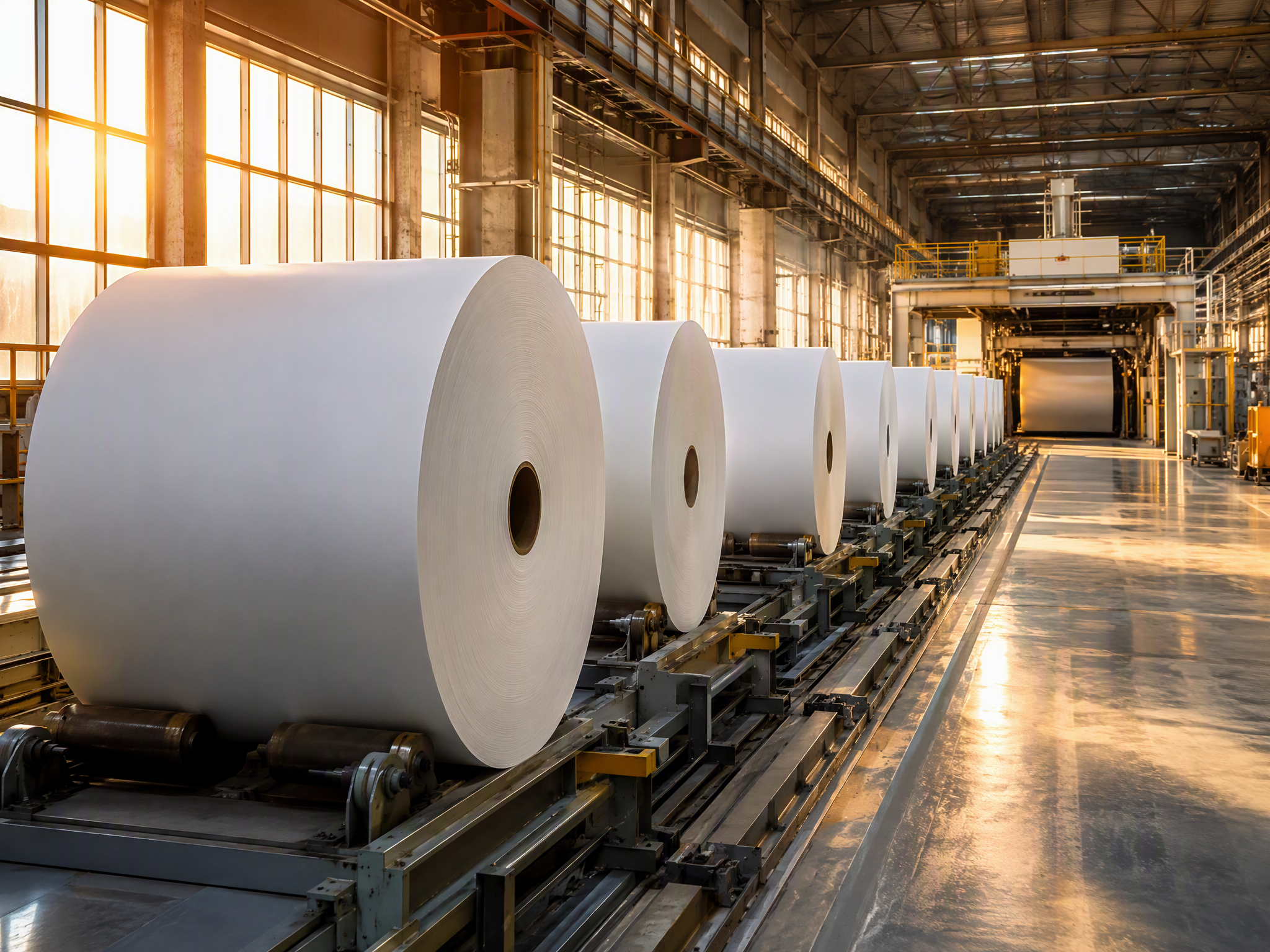
However, most paper mills only choose the lowest price when purchasing pulp defoamers, ignoring the hidden costs associated with dosage, defoaming duration, and paper defects. Low-priced pulp defoamers often result in high dosages, leave silica stains, and cause frequent shutdowns due to foam overflow, leading to higher overall production costs and ultimately proving counterproductive.
Three Hidden Losses of Low-Priced Pulp Defoamers
1. Doubled Additive Consumption: Low-end mineral oil and ordinary silicone pulp defoamers have short foam suppression cycles, requiring 2-3 times the amount per ton of paper compared to modified polyether pulp defoamers, leading to a significant increase in monthly procurement costs.
2. Losses from Finished Product Rework: Silicone-containing defoamers easily leave silicone residue, causing white spots and fish-eye defects in coated pulp and cultural pulp production, resulting in large-scale paper product scrapping.
3. Production Capacity and Labor Costs: Continuous foam overflow requires time-consuming manual defoaming, and in severe cases, production lines may be shut down or production reduced.
High-Performance Pulp Defoamer Selection Criteria
1. Low Additive Content, Long-Lasting Foam Suppression: Modified polyether pulp defoamer exhibits stable activity, with a single application covering the entire cooking and washing process, requiring only 1/3 the amount of additives as ordinary products.
2. Silicone-Free Formula Pulp Defoamer Compatible with Various Pulps: Compatible with wood pulp, bamboo pulp, and deinked waste paper pulp, it does not react with cooking alkali, deinking agents, or sizing agents, eliminating paper defects such as silicone spots and delamination at the source.
3. High Temperature and High Alkali Resistance, Universal for All Processes: This type of pulp defoamer is suitable for cooking, washing, and bleaching processes, reducing the storage and management costs of multiple types of additives.
Tips for Purchasing Suitable Pulp Defoamers
1. Collect samples of cooked coarse pulp, deinked pulp, and bleached pulp to replicate the high-temperature, high-alkali production conditions of the pulp mill.
2. Apply equal doses of multiple pulp defoamers and compare their defoaming speed and foam regeneration interval.
3. Conduct pulp sheet testing to identify white spots and uniformity defects, avoiding pulp defoamers with poor compatibility.
RISE CHEMICAL has been deeply involved in the research and development of defoamers for over 20 years. We can provide free samples of pulp defoamers for testing and tailor-make low-additive, long-lasting foam control solutions for you. Contact us for your exclusive solution.