
Don't know what to do about paint bubbles? Defoamer provide an effective solution!
For any coating—architectural, industrial, or automotive—a smooth, flawless finish is key. Yet foam formation is a common issue that damages coating appearance and performance. As a professional defoamer manufacturer with 20 years of experience, RISECHEMICAL simplifies the essentials of coating defoamers to help you understand their value.

Why Foam Forms in Coatings
Foam (air/gas bubbles in the coating) occurs during production (mixing/grinding entraps air), application (spraying/rolling introduces air), or due to coating formulation (low surface tension, high viscosity).
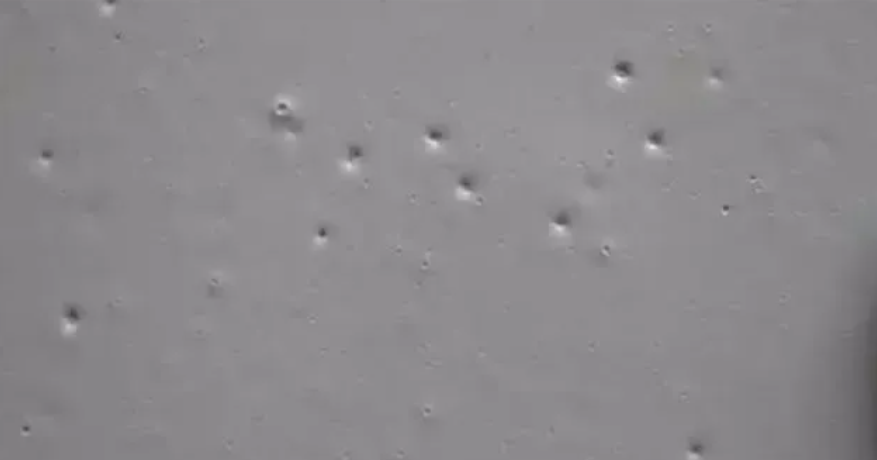
The Hazards of Foam
Foam causes surface defects (pinholes, unevenness), reduces coating protection (thinner film, premature wear), and lowers production efficiency (equipment underutilization, uneven packaging).
How Coating Defoamers Work
Defoamers disrupt foam stability by reducing surface tension (penetrating bubble films), forming thin monomolecular films (weakening bubbles), or adsorbing foam-stabilizing surfactants (causing collapse).
Common Types of Coating Defoamers
Different coatings need different defoamers: silicone-based (excellent stability, ideal for waterborne coatings), mineral oil-based (universal, good compatibility), and silicone-free (for high-gloss/ink-compatible scenarios).
RISECHEMICAL: Your Trusted Defoamer Partner
With 20 years of expertise, RISECHEMICAL’s coating defoamers offer strong defoaming, great compatibility, wide adaptability, and environmental friendliness.
We provide free samples for performance testing and professional one-on-one consulting to help you find the right defoamer. Feel free to contact us anytime—let RISECHEMICAL solve your foam problems and boost your coating quality.
Get the latest price? We'll respond as soon as possible(within 12 hours)
more products
News
Products
Featured Products
Contact Details